
Very little of what keeps pests out of a house is pest control. Most of it is maintenance: where water goes, what touches the siding, which gaps are open.
Here is what is worth doing and when, organized around what actually changes outdoors through the year in the Tennessee Valley. None of it takes a whole weekend.
Spring
The wet, warming months, and the season when termite activity announces itself.
- Look for swarmers and discarded wings, particularly on windowsills, in door tracks and in spider webs near lights. This is the clearest termite evidence a homeowner is likely to find, and it is covered in more detail in what swarmers mean.
- Check the foundation for mud tubes, pencil-width soil tunnels running up piers or block walls.
- Clean gutters after the spring storms and confirm downspouts discharge well away from the foundation.
- Cut back growth that has reached the house over the winter. Vegetation touching siding is a route.
- Look at grading while the ground is soft. Soil should slope away from the house.
- Check the crawl space vents and access door for winter damage.
Summer
The season crawl spaces are at their worst, and the season standing water matters most.
- Walk the property for standing water after rain: saucers under plant pots, tarps, wheelbarrows, clogged gutters, low spots, toys. Mosquitoes need remarkably little, and a container the size of a bottle cap is enough for some species.
- Look at the crawl space, or have somebody look. Summer humidity is what makes that space worst, for reasons explained in why East Tennessee crawl spaces stay damp.
- Check for condensation on ductwork and pipes under the house. Dripping ducts add water every day the air conditioning runs.
- Keep mulch pulled back a few inches from the foundation. Deep mulch against a wall holds moisture and provides cover.
- Confirm the dryer vent terminates outside, not into the crawl space.
- Rinse and drain anything that holds water on a weekly rhythm rather than a seasonal one.
Fall
The sealing season, and the most valuable one for keeping things out.
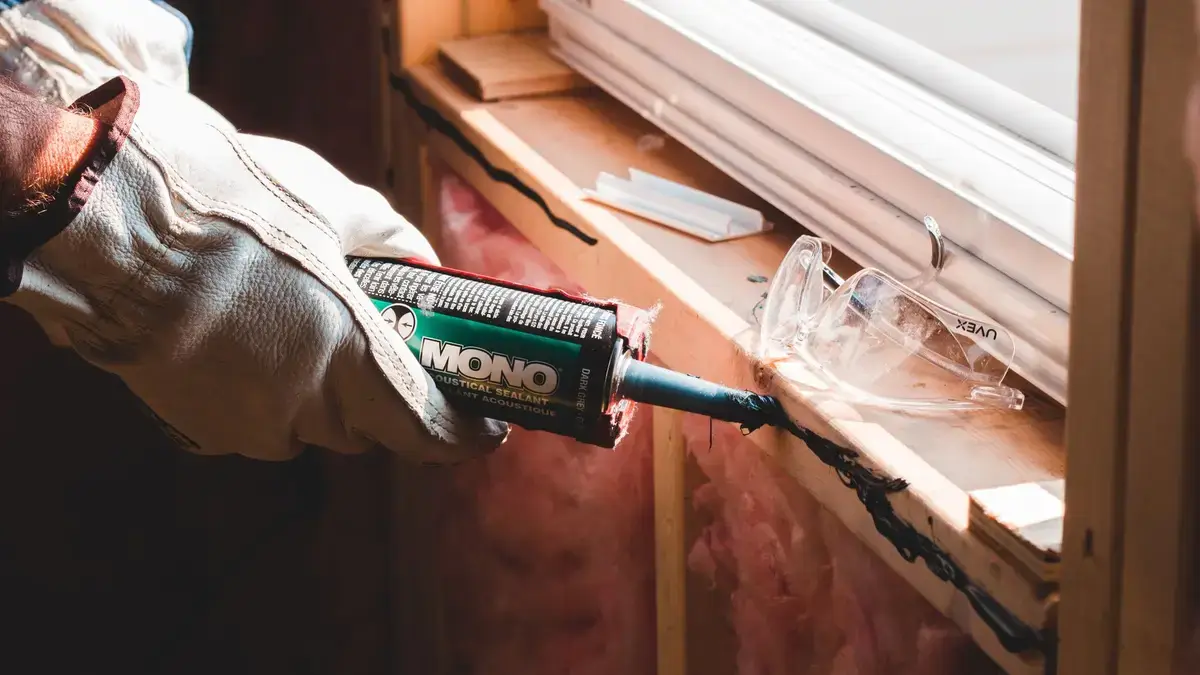
- Replace worn door sweeps. If daylight shows under a closed exterior door, that is an opening. This is the most common entry point we find.
- Seal gaps where utilities enter the wall: water, gas, electrical, cable, air conditioning line sets.
- Repair torn screens on windows, crawl space vents and attic vents.
- Check the garage door seal, along the bottom and at the corners where it pulls away.
- Move firewood away from the house and up off the ground.
- Clear leaf litter from against the foundation, which is cover and moisture in one.
The reasoning behind doing this now rather than later is in what actually brings pests indoors in the fall. Briefly: it is much easier to close a doorway than to remove a population that already came through it.
Winter
The quiet season outside, which makes it the useful season for noticing things inside.
- Watch for signs in low-traffic areas: pantry corners, under sinks, garage shelving, closets on exterior walls, the back of cabinets.
- Check under sinks for slow leaks. A steady drip is a reliable water source at the exact time outdoor water is scarce.
- Store food in sealed containers, especially pantry staples in cardboard or paper.
- Notice smells. A persistent musty smell on the ground floor is frequently coming up from the crawl space.
- Book the termite inspection if the house is due, rather than waiting for spring when everyone else calls.
The thread running through all of it
Read the four lists together and one thing repeats in every season: water.
Gutters, grading, standing containers, condensation, crawl space humidity, leaks under sinks. Pests can go a surprisingly long way on very little food. Water is the resource they are least able to do without, and it is the one homeowners have the most direct control over.
If you only ever do one category of work from this page, make it the water.
What a checklist cannot cover
Everything above is what you can see. The limits are real:
- Inside walls
- Under the floor, unless somebody actually goes in
- Inside wood, which is exactly where termites work
- Whatever is already established and simply has not been noticed
That is the boundary where an inspection is the right tool rather than a list. Our residential work, Pest Shield, starts at $65 as a starting point. Termite Shield starts at $200 and begins with an inspection, because the treatment depends on what the inspection finds. Crawl Space Shield is quoted after the team has seen the space, since crawl spaces vary too much between houses to estimate from a description.
We work across Cleveland, Charleston, Bradley County, Chattanooga, Hamilton County, Knoxville and Knox County. If something on this list turned up a problem, tell us what you found.